
Cleaning up after dinner can often feel like a chore that takes the joy out of cooking and eating. However, with a few smart strategies, you can make dinner cleanup faster and less stressful. Whether you cook every night or just a few times a week, these ideas will help you get your kitchen back in order with less effort.
Plan Ahead for Easier Cleanup
Use Fewer Dishes and Utensils
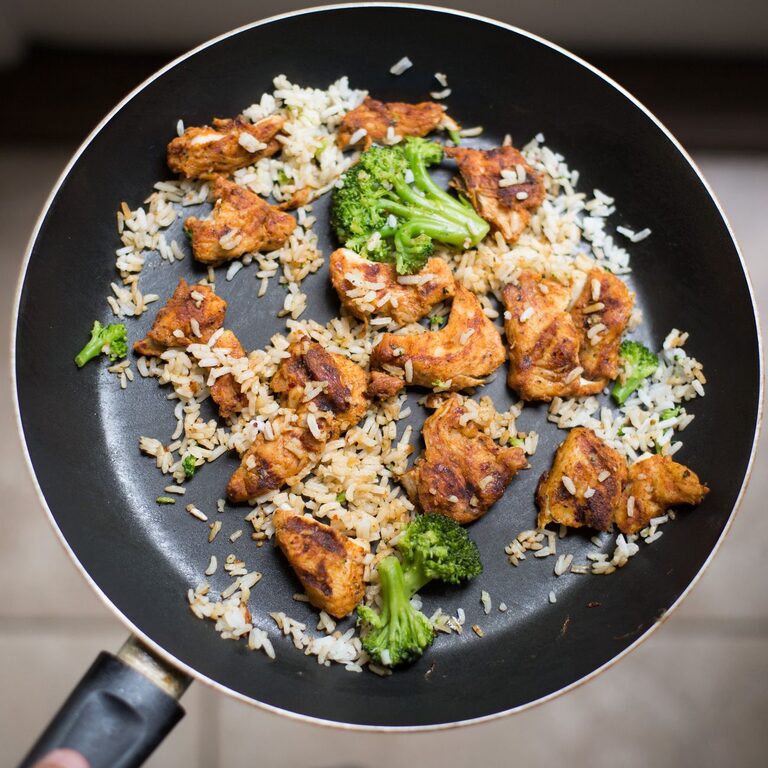
One of the simplest ways to reduce cleanup time is to minimize the number of dishes you use while cooking and serving. Consider cooking meals that can be prepared in one pot, pan, or baking dish. For example:
– One-pan roasted chicken and vegetables
– Stir-fries cooked in a single skillet
– Sheet-pan dinners where everything cooks together
Using fewer dishes means fewer items to wash afterward.
Prep Ingredients in Advance
Chopping vegetables and other prep work can create extra mess. Try to prepare ingredients in batches and store them in containers before cooking. This can help you work more efficiently and avoid spreading messes around the kitchen during the cooking process.
Organize Your Workspace
Start with a clean and tidy kitchen workspace before you begin cooking. Keep your frequently used tools and ingredients within easy reach. This reduces the chance of spills and accidental messes.
Make Cleanup Part of Your Cooking Routine
Wash While You Cook
Instead of waiting until after dinner to clean everything, try washing bowls, knives, and cutting boards while food is cooking. For example, rinse or scrub dishes during downtime, such as while waiting for something to simmer. This reduces the pile of dishes left afterward.
Use a Sink or Basin for Soaking
Fill the sink or a basin with warm, soapy water at the start of dinner prep. Place used utensils, pots, and pans into the water as soon as you’re done with them to prevent food from drying onto their surfaces. This makes washing easier after dinner.
Wipe Surfaces Immediately
Clean spills and splatters as soon as they happen. Wiping cutting boards, counters, and stovetops during cooking keeps messes from building up, making the final cleanup faster.
Smart Tools and Products Can Help
Invest in a Good Dish Rack or Drying Mat
Having a dedicated space for drying dishes allows you to wash while cooking or immediately after dinner without needing to put everything away right away. A sturdy dish rack or absorbent drying mat helps keep your countertops organized.
Use Non-Stick Cookware
Non-stick pans typically require less scrubbing and clean up faster than traditional cookware. They also often need less oil, which can reduce greasy messes.
Consider Disposable Liners and Parchment Paper
For baking or roasting, use parchment paper or silicone baking mats. They prevent food from sticking and reduce the need for scrubbing. If appropriate, disposable liners can save time by going straight into the trash after use.
Clean Up Efficiently After Dinner
Start with Clearing the Table
Clear dishes, glasses, and leftover food from the table immediately after eating. Getting this step done right away signals the end of the meal and helps your family transition to cleanup mode.
Stack and Sort Dishes Before Washing
Organize dishes by type—plates, glasses, utensils—to streamline washing or loading the dishwasher.
Use a Dishwasher Smartly
Load your dishwasher efficiently, placing items so water can reach all surfaces. Run it only when full to conserve energy and water.
Clean Up Larger Items First
Wash pots, pans, and cutting boards before smaller items to avoid multiple water changes and save time.
Keep Your Kitchen Clean for the Long Term
Establish Daily and Weekly Routines
Incorporate small daily habits, like wiping counters after meals and unloading the dishwasher each morning. Weekly tasks might include an in-depth clean of appliances and cabinets.
Declutter Regularly
A cluttered kitchen can slow down both cooking and cleanup. Regularly remove unused gadgets and expired food items to maintain a tidy environment.
Use Storage Containers to Manage Leftovers
Store leftovers in labeled containers to keep your fridge organized and reduce food waste. Cleaning storage containers promptly also keeps your kitchen fresh and clutter-free.
Final Thoughts
Dinner cleanup doesn’t have to be a dreaded task. With some planning, smart habits, and the right tools, you can streamline your after-meal routine. The key is to make cleaning a natural part of cooking and dining, reducing mess as you go along. These ideas will help you enjoy your meals more and spend less time in the kitchen afterward. Try them out and discover how much simpler dinner cleanup can be!