
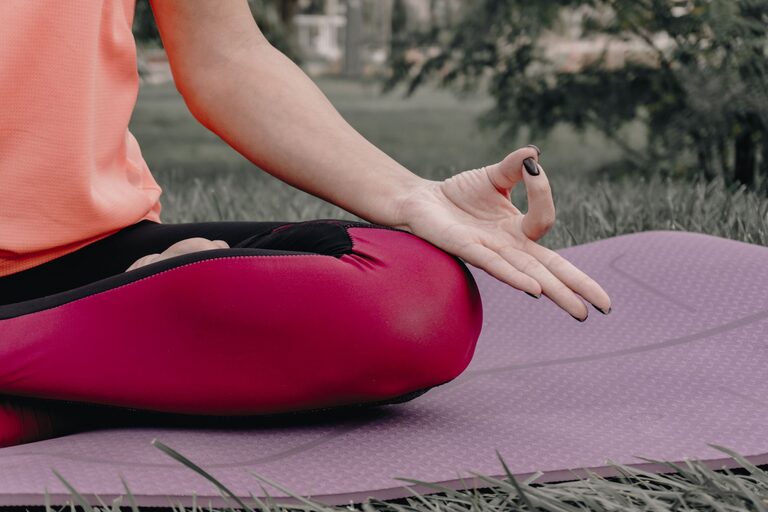
Taking mindful breathing breaks is an easy and effective way to reduce stress and improve your focus, especially during busy or overwhelming days. If you’re new to mindfulness or breathing exercises, this guide will walk you through some beginner-friendly tips to help you start a regular practice. You don’t need special equipment or a lot of time—just a few minutes and a willingness to pay attention to your breath.
What is Mindful Breathing?
Mindful breathing means paying full attention to your breath—the in and out—as it happens. Instead of letting your mind wander to worries or distractions, you gently bring your focus back to the sensations of breathing. This practice can help calm your nervous system, boost your mood, and enhance your overall sense of well-being.
Why Take Breathing Breaks?
Taking short breaks to focus on your breath can provide many benefits, such as:
– Reducing feelings of stress or anxiety
– Improving concentration and mental clarity
– Lowering heart rate and blood pressure
– Increasing self-awareness and emotional balance
– Giving your mind a chance to reset and refresh
You can do mindful breathing breaks anywhere—at your desk, before a meeting, or even while waiting in line.
Getting Started: Beginner Tips for Mindful Breathing Breaks
1. Find a Comfortable Position
You don’t need to sit cross-legged on the floor unless you want to. You can:
– Sit in a chair with your feet flat on the ground
– Sit on a cushion if that’s comfortable
– Stand or even lie down if needed
The key is to keep your back straight but not stiff. A relaxed posture helps your breath flow more easily.
2. Set a Timer for 1 to 5 Minutes
If you’re just starting, short sessions are best. Using a timer or an app can help you focus without worrying about the time. Even one minute of mindful breathing can be beneficial.
3. Focus on Your Natural Breath
Close your eyes if you like, or soften your gaze. Pay attention to your breath as it naturally flows in and out. Notice where you feel it most clearly—maybe at your nostrils, chest, or belly.
4. Use a Simple Breathing Technique
Here’s an easy technique to try:
– Inhale slowly through your nose to a count of four
– Pause briefly at the top of the breath
– Exhale gently through your mouth or nose to a count of six
– Repeat this cycle for a few minutes
This extended exhale helps activate your relaxation response.
5. Acknowledge and Let Go of Distractions
Your mind will wander—that’s normal! When it happens, simply notice the distraction without judgment and gently bring your focus back to your breath.
6. Practice Regularly
Try to set aside a mindful breathing break at least once or twice a day. Consistency helps build the habit and makes the benefits more noticeable over time.
Tips for Making Breathing Breaks Part of Your Routine
– Link your breathing breaks to daily activities, like after finishing a task or before meals.
– Use phone reminders or calendar alerts to prompt breaks.
– Create a calming environment if possible—dim the lights or sit by a window.
– Experiment with different times of day to find what works best for you.
– Pair mindful breathing with other relaxation practices like gentle stretching or listening to soft music.
What to Expect as You Practice
At first, you might find it challenging to stay focused or feel impatient. This is completely normal. Over time, you will likely notice you feel calmer, more centered, and better able to handle stress. Mindful breathing can also improve your sleep, energy levels, and overall mood.
Additional Resources for Beginners
If you want more guidance, consider exploring:
– Mindfulness apps like Headspace or Calm with guided breathing exercises
– YouTube channels offering short breathing practices
– Books on mindfulness and breathing techniques
Remember, the best practice is one that feels comfortable and fits into your life.
Final Thoughts
Mindful breathing breaks are a simple tool that anyone can use to support mental and emotional well-being. Starting with just a few minutes a day, you can develop a habit that helps you manage stress and stay present. Give yourself permission to pause, breathe, and reconnect—it’s a kind and effective way to care for yourself every day.